Smart automation systems are transforming the way modern environments operate by replacing manual processes with intelligent, connected technology. These systems are designed to integrate multiple functions into a unified framework that improves efficiency, security, and overall control. Rather than managing isolated devices or platforms, smart automation creates an ecosystem where systems communicate, respond, and adapt in real time.
At its core, smart automation is about simplification. By centralising control and enabling intelligent responses, automation systems reduce complexity while enhancing performance. This approach is increasingly used across residential, commercial, and mixed-use environments where reliability and efficiency are critical.
What Is a Smart Automation System?
A smart automation system is a network of connected technologies that work together to monitor, control, and optimise various functions within an environment. These systems typically include components such as sensors, controllers, software platforms, and connected devices.
Unlike traditional systems that require manual input, smart automation uses predefined rules, real-time data, and user preferences to trigger actions automatically. This allows environments to respond intelligently to changing conditions without constant supervision.
Smart automation systems are designed to be flexible, allowing custom configurations based on specific needs. Whether managing security, access, monitoring, or operational workflows, these systems provide a structured and efficient approach to control.
How Smart Automation Systems Work
Smart automation systems rely on continuous communication between hardware and software components. Sensors collect data such as movement, temperature, access activity, or system status. This data is processed by central controllers or software platforms, which determine the appropriate response based on predefined logic.
For example, a system may detect unauthorised access and automatically trigger alerts, activate monitoring tools, or restrict entry points. These responses occur instantly, reducing response time and improving overall system effectiveness.
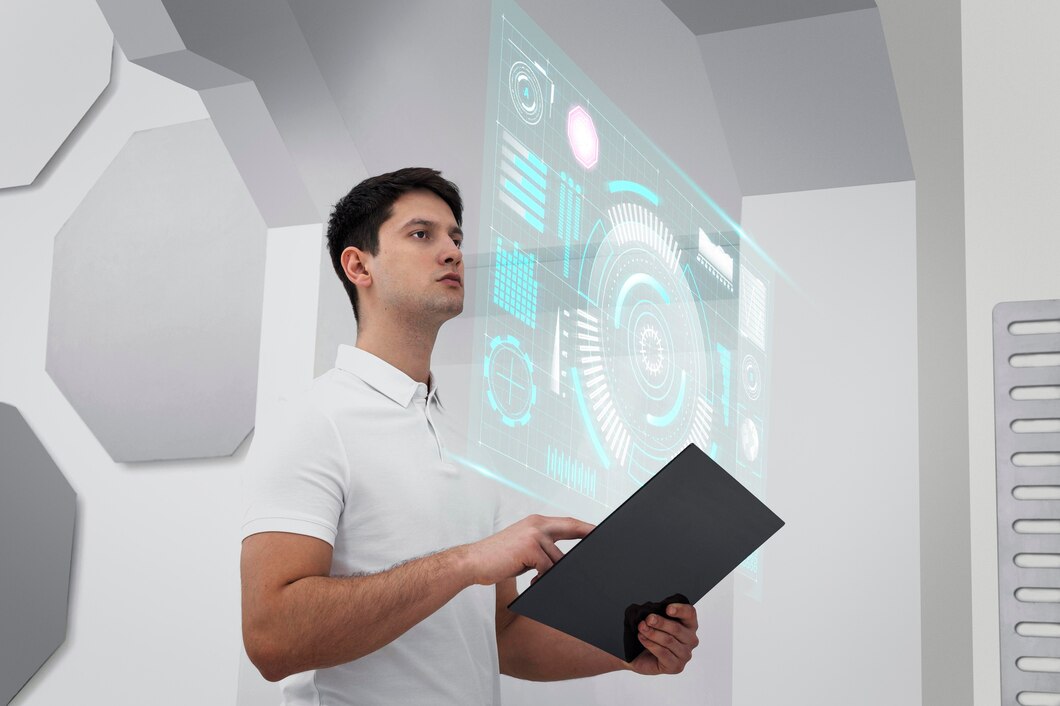
User interfaces such as mobile applications or dashboards allow real-time monitoring and control. This ensures users remain informed and can intervene when necessary, while automation handles routine operations.